Throughout primary and secondary school, English teachers gradually pushed students to pay closer attention to literary elements in writing to derive from the story the author’s true meaning. Perhaps something as simple as a blue curtain in a character’s room may have drawn me to associate them with sadness or melancholy. Other symbols may not be so clear, like running river water symbolizing change or an hourglass representing the fragility and persistence of time. Surprising as it may be to some, video games possess an abundance of these literary devices to convey depth. Unlike written stories, video games are able to play with dialogue, music, and environmental world building to display these literary elements. When these factors come together, a video game can achieve an impact that resonates with an entire generation of gamers.
Persona 3 is one such example of a game with heavy symbolism to propel its storytelling. The game focuses on the lives of Japanese youth in today’s society as they deal with other-worldly threats called “Shadows” that seek to feed on and infect the minds of humans into a state of “total apathy.” To fight these Shadows, members of the Specialized Extracurricular Execution Squad (SEES) must summon the true manifestation of their inner selves and identities. SEES members use “evokers” (quite literally guns) to usher in the power of their Personas and take off the masks with which they had been presenting themselves to the world. To psychiatrist Carl Gustav Jung, personas “plays an important role in triggering the unconscious turbulence, which urges people to turn to the path of individuation. Individuation, namely self-realization, is the imperative force that compels a person to aim to be an individual, to be their true self” (International Association for Analytical Psychology). In this game, killing one’s outer image offers a sort of rebirth, an awakening, or a realization of one’s full potential. Before they can do so, characters must encounter, and kill, their own Shadows – everything ugly or vile about the human condition made manifest into terrifying monsters. Persona 3 is flooded with symbolism and commentary on the psyche and self-actualization.
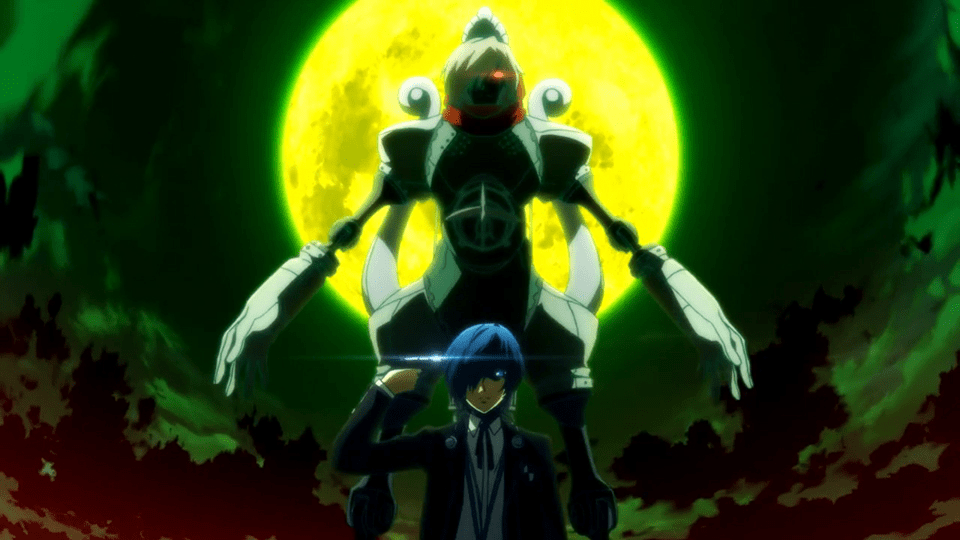
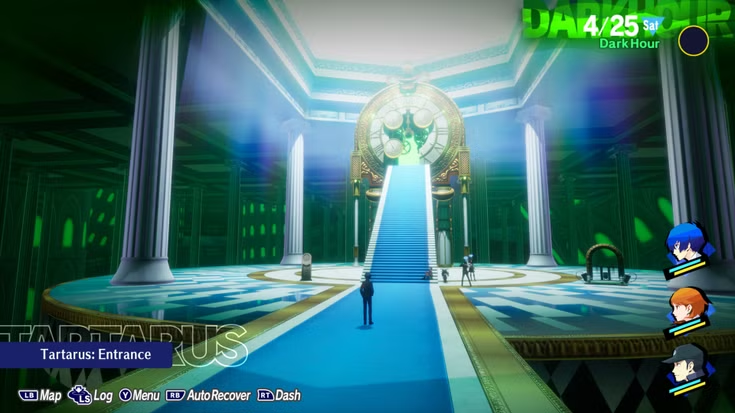
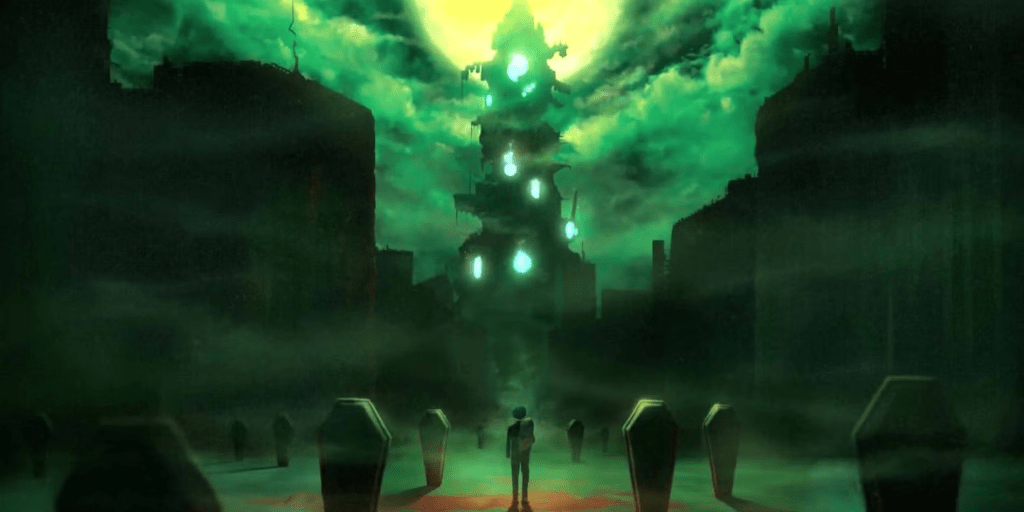
It does not stop there, however. Persona 3 features what is called “Tartarus,” a location that players frequent to progress within the game. Read this excerpt from an article I found on Persona 3’s incredible usage of themes of Greek mythology:
“Sometimes referred to as “the prison at the bottom of the universe” or the place “at the bottom of the known world”, Tartarus is the location in Greek mythology commonly understood to be the deepest part of the underworld. As the counterpart to Elysium (a place of eternal paradise), Tartarus is the location where lost and wayward souls end up, serving out an eternity of punishment within a giant world-sized prison. Perhaps most importantly, though, Tartarus is the prison in which the Titans are forced to serve out their eternal punishment for their tyranny over the gods of Mount Olympus. Following their defeat at the hands of Zeus and the other Olympians, the Titans were cast down into Tartarus. Essentially, Tartarus is a prison reserved for only the most wicked beings in Greek mythology.”
Perhaps the characters’ repeated visits to Tartarus reflect their views on the monotony of life, trapped and destined to live out punishment in this hellish prison state. There is a lot to be said about the characters’ Persona’s aligning with Greek mythological beings. The main character Makoto’s Persona is Orpheus (pictured above), son of Apollo who is most famous for his musical abilities on the lyre. Persona 3 undoubtedly is a masterclass in symbolism and allegories. The Persona series as a whole deals with difficult real-world topics as death, greed, and lust for power, and are fascinating feats of literature within gaming.
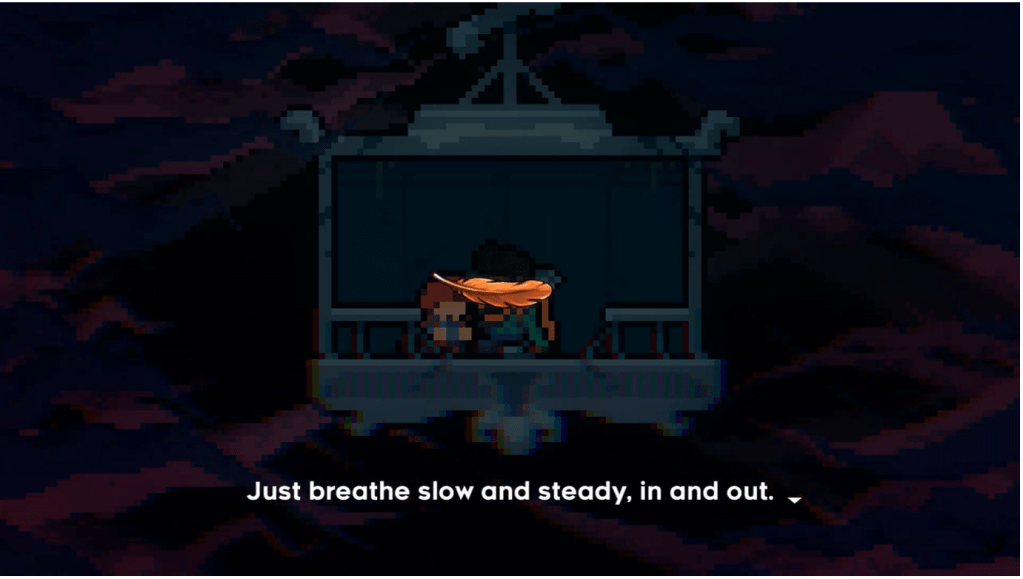
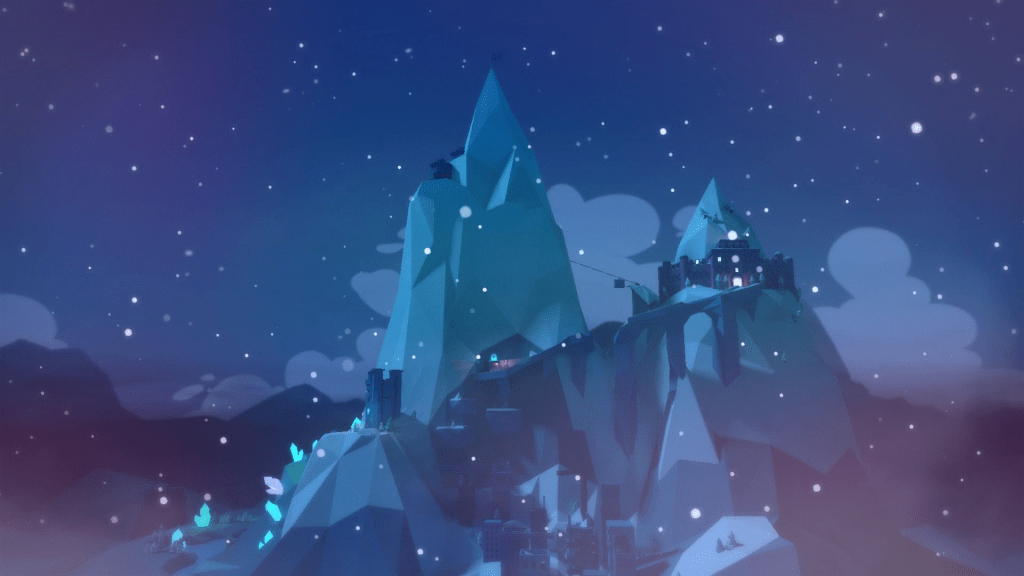
I also wish to mention Celeste for its hard-hitting storytelling. Celeste follows Madeline, a young girl afflicted by severe depression and anxiety, as she climbs a mountain in seven level-based “chapters.” This 2D platformer, though simple in its story design (and extremely difficult in gameplay) paints an emotional picture of grief, loneliness, self-acceptance, and refusing to throw in the towel. You see, Celeste’s gameplay encourages death in a sort of trial-and-error format. If one approach does not work, simply try again, but giving up is not an option here. The further Madeline progresses up this mountain, the more confident we see her character become. She meets characters that help her through panic attacks and depressive episodes, and reaches out to Badeline (the manifestation of Madeline’s self-hatred and depreciation, or, quite literally, her inner demon) to accept its existence and work together to accomplish their goal of climbing the mountain. What I love about Celeste is that the player acts as a sort of moral support or therapeutic coach for Madeline, guiding her through her struggles and ensuring she gets back up regardless of her self-doubt. These tropes of anxiety and never giving up are nothing new in video games or in literature as a whole, but it is how Celeste perfectly marries compelling character arcs with somber themes and dialogue that makes this game one with classic storytelling.
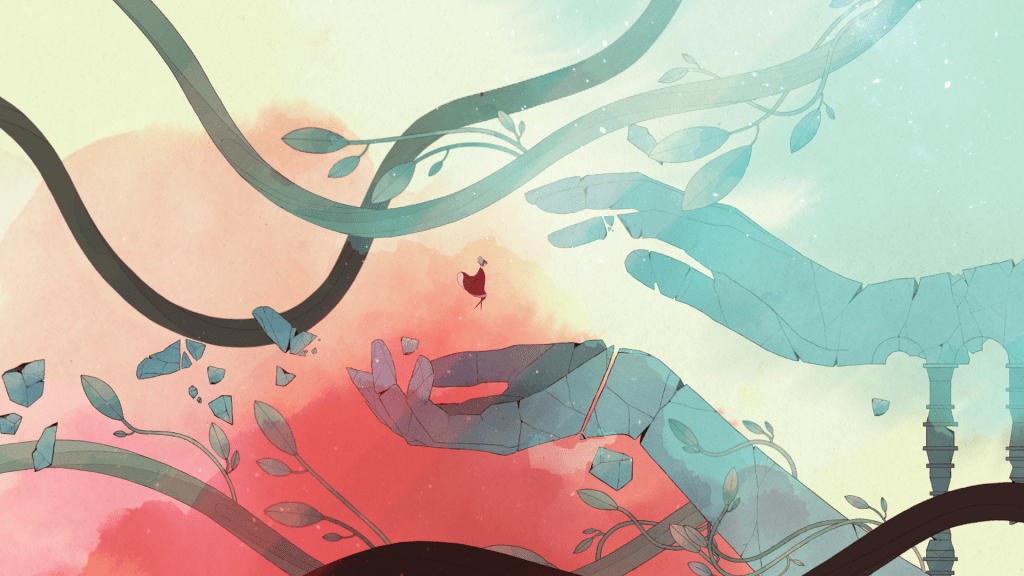
Similar to Celeste, GRIS is a visually stunning platformer that explores the five stages of grief. The world’s levels are composed of breathtaking watercolor designs and ink splotches that allow the main character (whom we can assume is named Gris) to run, jump, and fly with elegance. Imagery of weeping women appear frequently throughout the game, and it is not directly stated who is being grieved or who is grieving. GRIS‘s storytelling relies on questions – who? where is Gris going? does she belong in this watercolor world, or is she trapped here? It seems that the more the player asks questions, the more they can deduce from the world around them. This kind of storytelling makes for an interesting and emotionally-charged journey that covers topics of sorrow and feeling lost in a morphed reality. Stunning visuals paired with tearful piano ballads, I would highly recommend this game to anyone wanting to be told a story in a beautifully unique way.

 Video Games as Literature